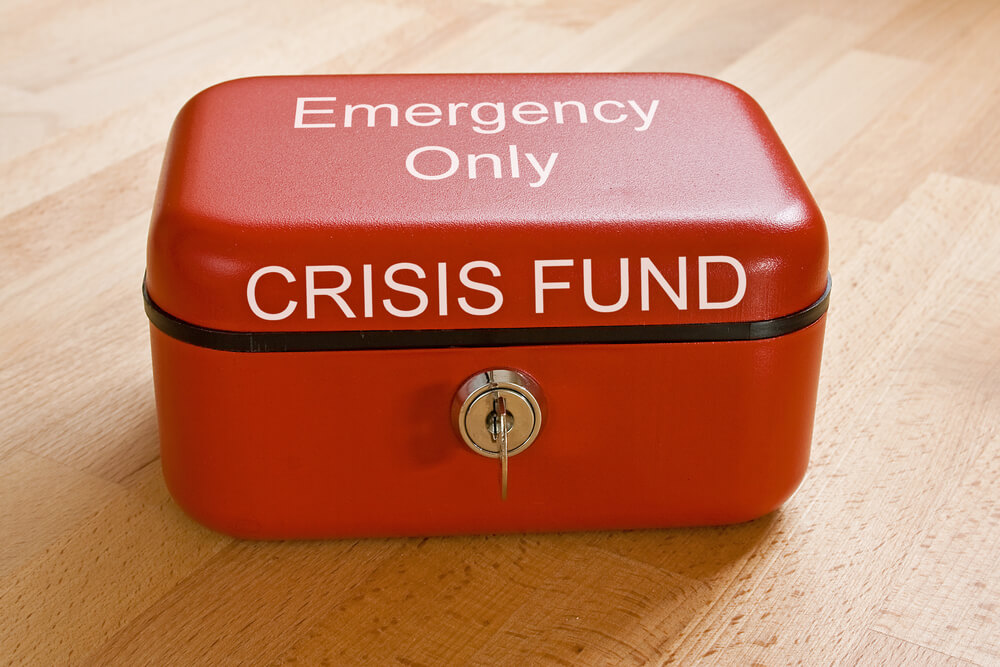
Learning how to prepare for unexpected expenses can help protect your finances and reduce the stress of a financial emergency. Medical bills, car repairs, home damage, veterinary costs, or an interruption in income can happen without warning.
You may not be able to predict every emergency, but you can take steps now to make unexpected costs easier to manage. Building an emergency fund, reviewing your insurance coverage, planning for common expenses, and knowing what financial options may be available can all help you prepare.
Start Preparing for Unexpected Expenses Now
Unexpected expenses can put pressure on your finances because they aren't usually included in your regular monthly budget. Even if you manage your money carefully, a large expense can leave you choosing between using your savings, putting the cost on a credit card, or finding another way to pay.
The problem can be even greater when several expenses happen close together. A car repair followed by a medical bill or home repair can quickly use up whatever money you have available.
Some emergencies may also be more likely depending on where you live. For Mississippi residents, severe storms, hurricanes, flooding, and other weather-related events can create unexpected costs related to vehicles, homes, temporary lodging, or other necessities.
While you can't predict exactly when an emergency will happen, looking at the types of unexpected expenses you've faced in the past can help you prepare. Identifying these potential costs is a good first step toward building an emergency fund and creating a financial plan that gives you more room to handle them.
Build an Emergency Fund
An emergency fund gives you money to use when an unexpected expense cannot be covered comfortably by your regular budget. Keeping these funds separate from everyday spending can make it easier to preserve your savings for genuine emergencies.
If you don't have an emergency fund yet, don't assume you need to save thousands of dollars immediately. Start with an amount that fits your budget and build from there.
How Much Should You Save?
A starter goal of $500 to $1,000 can provide a financial cushion for smaller emergencies. As your savings grow, financial experts commonly recommend working toward enough money to cover three to six months of essential expenses.
Your ideal emergency fund will depend on your income, household expenses, job stability, and financial responsibilities.
Even putting a small amount from each paycheck into savings can help you make steady progress.
Know What Your Emergency Fund Should Cover
Your emergency fund should be reserved for urgent expenses that you can't comfortably cover with your regular income. Before deciding how much to save, look at your expenses from the past year and think about which unexpected costs have caused financial stress before.
It's also important to avoid using emergency savings for expenses you know are coming. Setting aside money separately for predictable costs, such as holidays, birthdays, annual bills, or vacations, can help keep your emergency fund available when a genuine financial emergency occurs.
Review Your Insurance Coverage
Insurance can help reduce the financial impact of certain emergencies, but having a policy isn't enough. It's important to understand what your coverage includes, what your deductible is, and where you may still have out-of-pocket costs.
Consider reviewing:
Health insurance: Check your deductible, copays, and out-of-pocket maximum so you understand how much you could be responsible for during a medical emergency.
Auto insurance: Review your coverage and deductible to make sure your policy provides adequate protection if your vehicle is damaged.
Homeowners insurance: Make sure you understand your coverage for property damage and whether additional coverage may be needed for risks in your area.
Life insurance: Life insurance can provide financial support for loved ones if you die unexpectedly and may help with expenses such as funeral costs and outstanding obligations.
It's also a good idea to review your insurance policies annually. Comparing deductibles, coverage limits, and available discounts may help you find ways to manage your premiums without sacrificing important protection.
Consider Mississippi Weather Conditions
Preparing for unexpected expenses in Mississippi may require additional planning for severe weather. Hurricanes, flooding, and major storms can cause property damage, vehicle damage, power outages, and other unexpected costs.
Before storm season, review your insurance coverage and deductible, identify important documents you may need after an emergency, and make sure you have some savings available for expenses insurance may not cover.
Planning ahead can be especially helpful because weather-related emergencies can create several expenses at once.

Other Ways to Prepare Financially
An emergency fund isn't the only way to strengthen your finances. You can also prepare by creating a realistic budget, reducing unnecessary expenses, and paying down high-interest debt when possible.
It's also helpful to keep important financial information organized. Knowing where to find your insurance policies, account information, vehicle documents, and other important records can make an emergency easier to manage.
The goal isn't to eliminate every financial risk. Instead, financial emergency planning is about creating enough flexibility to handle unexpected costs without immediately falling behind on other bills.
When Emergency Financing May Help
Even with careful planning, an emergency can happen before your savings are fully built. If an urgent expense cannot wait and your available savings aren't enough, you may consider short-term financial solutions.
Before borrowing, consider the total cost of the loan, the repayment schedule, and whether the payments will fit comfortably within your budget. Short-term loans should be used carefully and only when you understand the terms and have a realistic repayment plan.
One option available to some Mississippi drivers is a title loan, which uses a vehicle's lien-free title as collateral.
How Title Loans Work in Mississippi
Mississippi Title Loans, Inc. offers title loans of up to $2,000 for qualified borrowers who use a lien-free vehicle title as collateral. According to the lender, borrowers can keep their vehicle while repaying the loan.
All credit types are welcome to apply, including borrowers with poor or no credit. The lender's process is designed to provide an alternative for people who may have difficulty qualifying for traditional financing.
To apply, you'll need the following requirements:
- A driver's license or state-issued photo ID
- The lien-free title to a vehicle in your name
- Your vehicle for inspection
You can begin by completing the online application or contacting a loan representative. The representative can explain the process and arrange a meeting at a Mississippi Title Loans, Inc. store location.
After reviewing your information and inspecting the vehicle, the representative can explain whether you qualify and review the loan terms with you. If approved and all requirements are completed, funds may be available the same day or the next business day.
But before accepting any loan, make sure you understand the repayment terms and that the payments fit your budget.
Frequently Asked Questions
How much should I have in an emergency fund?
A starter goal of $500 to $1,000 can help cover smaller emergencies. Over time, many financial experts recommend building savings equal to three to six months of essential expenses.
What counts as an unexpected expense?
Unexpected expenses can include medical bills, car repairs, home damage, veterinary care, emergency travel, or an unexpected interruption in income.
Can a title loan help with an emergency expense?
A title loan may be an option for some Mississippi drivers who need short-term financing and have a lien-free vehicle title. However, borrowers should review the complete loan terms and make sure they can manage repayment before borrowing.
Prepare Before the Unexpected Happens
You can't predict every emergency, but you can prepare for the financial impact. Start by building an emergency fund, reviewing your insurance coverage, identifying expenses that could catch you off guard, and creating a plan for handling urgent costs.
If an unexpected expense comes up before you've had time to build sufficient savings, Mississippi Title Loans, Inc. may offer another option for qualified borrowers.
If you're ready to explore your options, you can inquire online today or contact Mississippi Title Loans, Inc. to speak with a representative about your situation.
Note: The content provided in this article is only for informational purposes, and you should contact your financial advisor about your specific financial situation.